
Prof Mason
Liverpool Foot and Ankle Clinic
To book an appointment, either email or phone the number below or click the link.
E-mail: CVDWclerical@outlook.com
Contact Patient Liaison: 07717580737
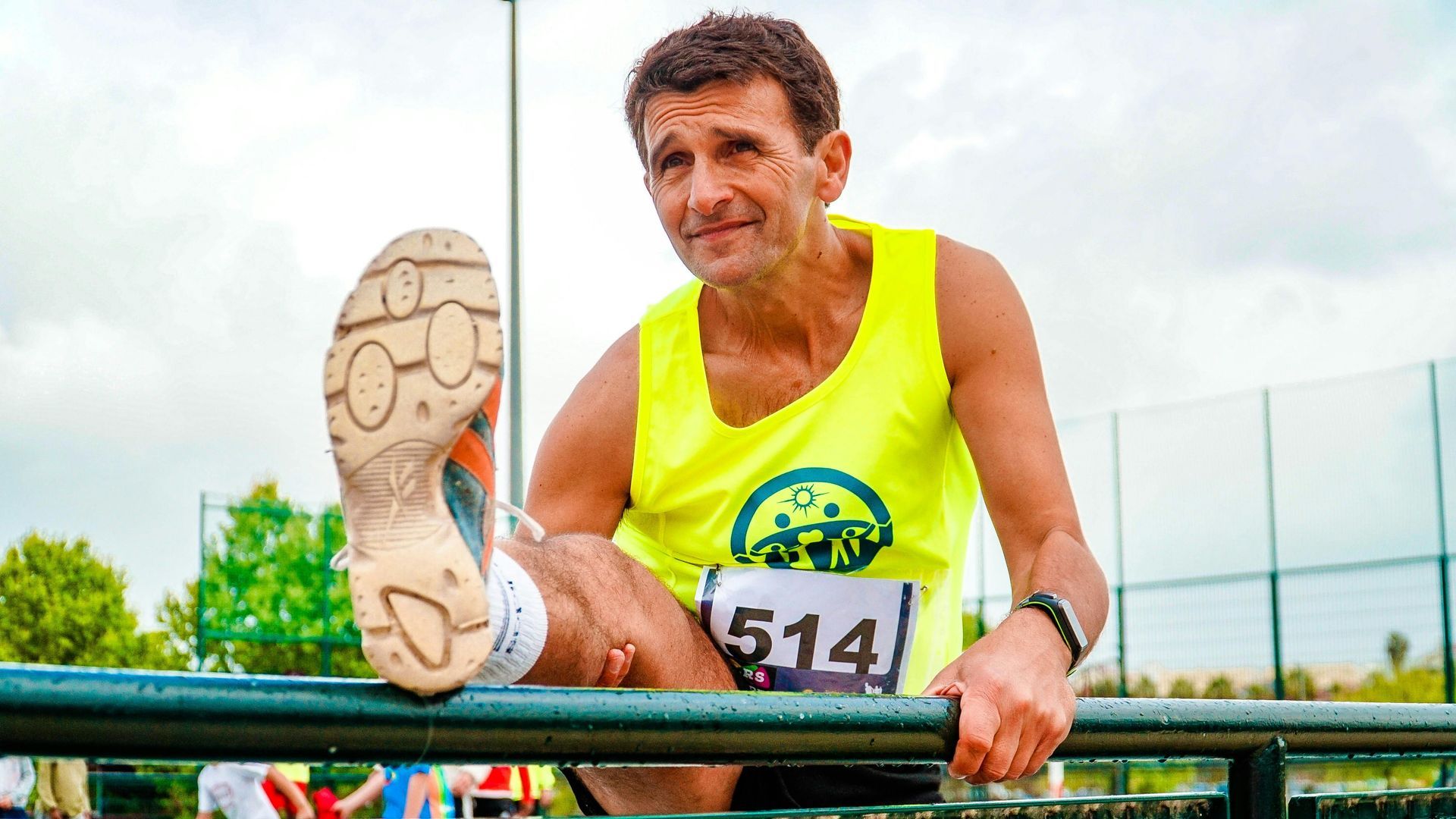
Runners Nightmare
Runners Nightmare

Understanding the biomechanics of running is something that takes years of training, although it is still a developing field with advancements in sensor and monitoring technology propelling the science forward. However, in basic terms, there are five phases of running gait. The five phases are:
1. Stance - When your foot first strikes the ground.
2. Loading - From when your heel hits the ground to the moment your forefoot touches down.
3. Mid-stance - The point at which your heel starts to lift and the forefoot flexes.
4. Toe-off - When your foot leaves the ground.
5. Swing - The time between your foot leaving the ground and touching it again.
The gastrocnemius muscle has one of the greatest influences on the foot during running gait as its pliability directly correlates with what part of your foot first hits the ground, when the heel hits the ground and how early the heel lifts off the
ground during each stride. The gastrocnemius is unique in the lower leg as it spans both the knee and the ankle, and therefore affects the foot position more when the knee is straight. Therefore, if the gastrocnemius is tight, as the body weight shifts forward causing the knee to straighten, the front of the foot is more likely to strike the ground first (given rise to metatarsalgia,
forefoot pain) and the heel will hit the ground earlier and lift earlier in the gait cycle (given rise to plantar fasciitis and Achilles tendinopathy).
In people who are belly/side sleepers the foot or feet are forced into a “pointing downward” (i.e. equinus) position (as above). Over time, this inevitably causes stiffness, especially in the calf muscles. Although most muscles in the lower leg are affected by this abnormal position of the foot at night, the Gastrocnemius muscle is particularly susceptible. Early morning running (when the stiffness is at its greatest), will further predispose to injury. Although stretching clearly helps, long periods of abnormal position of the foot at night is very difficult to overcome.
Since the COVID-19 pandemic, there has been an explosion in people taking up running. Unsurprisingly, I have also seen a massive increase in patients seeking medical advice with heel pain associated with running. As stated above, stretching and changing the foot position at night significantly improves plantar fascia/Achilles pain. The use of a night splint pillow (like the Foot-zz) or hanging the foot over the bed can significantly improve the pain and stiffness allowing running.